How to tell a real silk saree from a fake
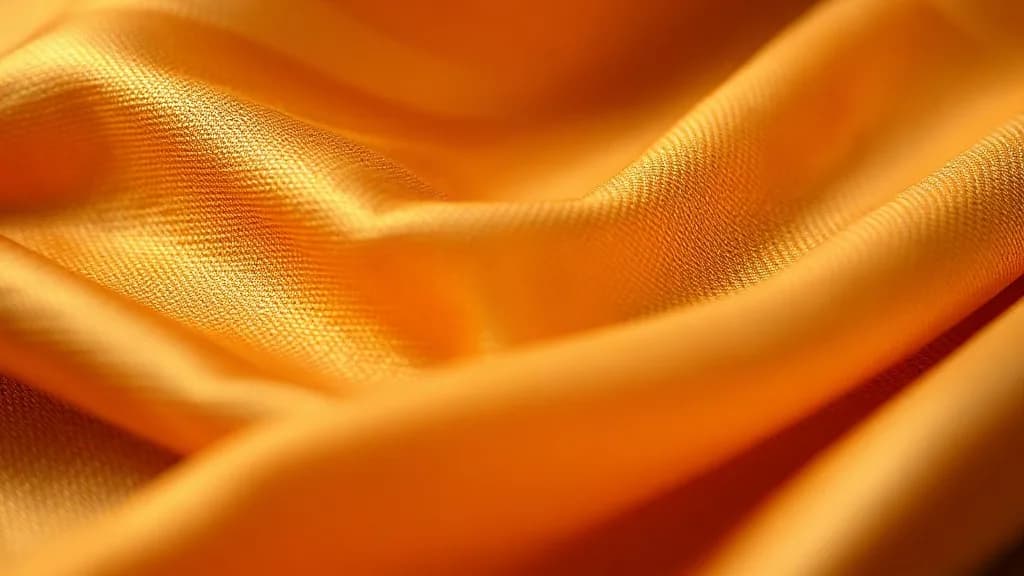
“Is this pure silk?” is the question we hear most across the counter, and it deserves an honest answer rather than a sales one. Pure silk and art-silk are both good cloth; the only sin is paying pure-silk money for art-silk. Here is how to tell, and how an honest shop should treat the question.
The feel
Pure silk has a particular warmth: it is cool to first touch, then warms to your hand, and it makes a faint rustle when rubbed. It creases and the crease holds. Art-silk feels smoother and more uniform, stays cool, and springs back from a crease more readily. Hold both and the difference becomes obvious within a few sarees.
Reading the zari
Real zari was historically silver thread gilded with gold, and on old Banarasi pieces it tarnishes gently with age rather than flaking. Modern sarees mostly use tested, coated zari, which is fine and durable. What you do not want is zari that sheds or blackens quickly. Look closely at where the border meets the body.
The burn test, and why we do not do it on your saree
The old test is to burn a thread: real silk smells of burnt hair and turns to ash, while synthetic melts into a hard bead and smells of plastic. It works, but never do it to a saree you intend to wear, and never let a stranger do it to cloth you have not bought. It is for a loose thread only.
The price reality
A genuine pure-silk Banarasi is an heirloom and is priced like one. If a “pure silk” saree costs the same as a daily cotton, it is almost certainly art-silk, and that is not a problem, as long as it is sold as art-silk at an art-silk price. Most of our shelf is honest art-silk, clearly described, because that is what a working family’s budget wants.
Why a fair label beats any test
The real protection is not a thread test; it is buying from a counter that tells you the truth. We have never advertised in 79 years, which means every label has to be honest or the word of mouth that built this shop stops travelling. Read the fabric line on each product page, and the guide to saree types to know what you are reading.
Pure silk vs art-silk
| Pure silk | Art-silk | |
|---|---|---|
| Feel | Cool, then warms to the hand | Stays cool and smooth |
| Crease | Holds a crease | Springs back |
| Zari | Tarnishes gently with age | Coated, durable |
| Price | An heirloom | A daily budget |
Common questions
How can I feel the difference?
Pure silk is cool then warms to the hand and holds a crease; art-silk stays cool and springs back.
Is art-silk bad?
Not at all — it is good cloth at a kinder price. The only sin is paying pure-silk money for it.
Should I do the burn test?
Only on a loose thread, never on a saree you mean to wear, and never on cloth you have not bought.