How to drape a saree: the classic Nivi and three regional styles
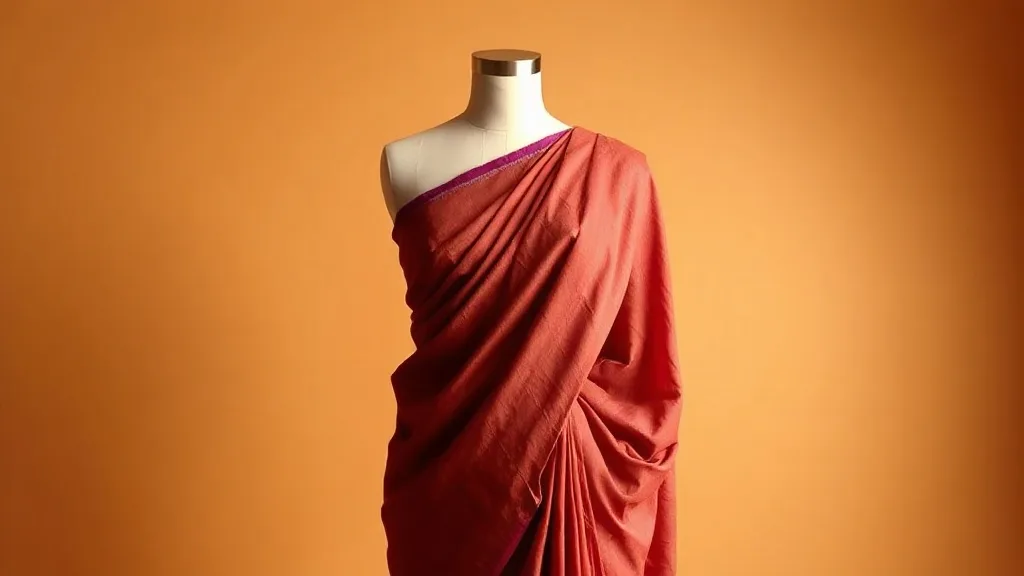
A saree is a single length of cloth, around five and a half metres, and the whole art is in how you fold it onto yourself. It looks harder than it is. Once the Nivi drape is in your hands, the rest are small variations. Here is the plain version we explain at the counter.
Before you start
Four things make draping easy: a fitted petticoat in a matching shade, a stitched blouse, a saree with its fall and pico done, and a few safety pins. Wear heels or flats first, whatever you will wear out, because the length is set to your shoes.
The Nivi drape, step by step
- Tuck the plain end into the petticoat at the navel and go once around your waist, left to right.
- From the second time around, start making pleats at the front: five to seven even folds, each about a hand-width wide.
- Tuck the gathered pleats into the petticoat, neatened and facing left. A pin holds them.
- Take the remaining cloth, the pallu, up across the front, over the left shoulder, and let it fall down the back.
- Pin the pallu at the shoulder, adjust the length, and you are done.
The Bengali drape
The Bengali style skips the pleats. You wrap the saree twice, bring the pallu around from the back over the right shoulder, then back across the front, often with a key-ring tied to the corner. It reads as graceful and traditional.
The Gujarati drape
Here the pallu comes from the back over the right shoulder and is spread across the front, so the full design of the pallu faces forward. It is the style you see at many weddings, made to show off a decorated pallu.
The seedha pallu for the office
For work, many women pin the pallu close and neat across the front-right rather than letting it hang loose, so it stays out of the way through a desk day. It is the Nivi drape with the pallu pleated and pinned short.
Start with a fabric that pleats easily while you learn: a crisp cotton or a Chanderi. The saree shelf is here, and the guide to fabrics will tell you which drape best.
Common questions
How long is a saree?
Around five and a half metres of cloth, draped in pleats at the front with a pallu over the shoulder.
What do I need before draping?
A matching petticoat, a stitched blouse, a saree with its fall and pico done, and a few safety pins.
Which drape is easiest to learn?
The classic Nivi drape. The Bengali and Gujarati styles are small variations once you have it.